Part 50 Article: Timeline My Blog Title: The untold the retold Click on PDF to download from Part 1 COLUMN Q 960 AD to 1279 AD Song Dynasty China 18 Emperors Duration: 319 Years [www.ebsco.com] Source: The Council of Chalcedon , convened in 451 CE, was a pivotal ecumenical assembly in the early Christian Church that addressed the complex theological debates regarding the nature of Jesus Christ. Stemming from earlier councils, particularly the First Council of Nicaea in 325 CE, Chalcedon aimed to clarify whether Christ was fully human, fully divine, or a combination of both. The council arose from controversies involving figures like Eutyches , who proposed that Christ possessed only a divine nature, a view that had already been condemned. From [AI overview]: Eutyches 375–454 AD was a 5th-century Byzantine archimandrite (head of a monastery) in Constantinople who became a central figure in early Christian theological controversy. He is best known for promoting Eutychianism ...
Part 39
Article: Timeline
My Blog Title: The untold the retold


Click on PDF to download from Part 1
COLUMN P
907 AD to 960 AD
5 Dynasties and 10 Kingdoms
Duration: 53 years
Medieval trade: Record and documentation of the transaction
From [AI overview] & myself amendments: Key Document Types: Copper Plates “Tamra-shasana” or ancient Indian copper-plate inscriptions: Used in India and Java for permanent records of grants and taxes. Stone Inscriptions (Prasasti): Used throughout Southeast Asia for royal decrees. Chinese Customs Records: Detailed shipping lists. Srivijaya Empire (Sumatra and Malay Peninsula): Utilized stone inscriptions like Telaga Batu from the 7th-century Srivijaya Empire “curse on traitors intended to intimidate anyone who violates the king's orders” and Kota Kapur to assert authority. The kingdom controlled the Strait of Malacca, necessitating records of tolls and shipping, with intense interaction with Chinese trade networks. Tolls in shipping are fees paid for using specific infrastructure like roads, bridges, or canals to ensure faster, more reliable, and often cheaper transportation routes. Chola Dynasty (India): Used expansive copper-plate grants to record trade guild privileges, such as the Leyden copper plates, detailing trade agreements and donations. The Leyden Copper Plates are a set of royal copper plate inscriptions issued by the Chola dynasty. Tang Dynasty (China): Documented foreign trade in official histories and customs records, meticulously listing goods (spices, silks) arriving from Srivijaya and India. Khmer Empire: Primarily used Sanskrit and Khmer inscriptions to document land ownership, tax contributions, and religious donations. These inscriptions, carved on stone and metal found across Cambodia, Thailand, Laos, and southern Vietnam, and documented the rise and fall of pre-Angkorean polities and the subsequent Khmer Empire. Funan Period 1st–6th Century: While older Sanskrit inscriptions exist in the region, the earliest Khmer-related inscriptions began appearing in the 5th century. Chenla Period “c. 550–800”: This period saw an "explosion" of Khmer epigraphy, with the oldest dated Khmer inscription (K. 600) from 611 AD at Angkor Borei, often associated with Chenla or late Funan. Inscriptions from this time, such as those at Sambor Prei Kuk, are found in both Sanskrit and Old Khmer. Angkorian Period or Khmer Empire (802–1431): Initiated by Jayavarman II’s declaration of independence in 802 AD, this era is heavily documented by inscriptions detailing the devaraja (god-king) cult. The Devaraja (god-king) cult was a 9th-century Hindu-Buddhist socio-political and religious system established by Jayavarman II, founder of the Khmer Empire. Sanskrit was the preferred language of the court, elite, and religion for over 1,000 years, while Khmer was used to detail specific land grants, temple administration, and local matters to list inventory, land transactions, and offerings to sanctuaries, providing crucial details on daily life and the organization of the empire. Decline and Medieval Period 14th–17th Century: The last known Sanskrit inscription is dated 1327. Afterward, Khmer historical inscriptions diminish sharply, reflecting a shift to Theravada Buddhism and the decline of the centralized Angkorean state. Tondo Kingdom: Known from the Laguna Copperplate Inscription 10th century, a legal document written in Kawi script regarding the discharge of debt, reflecting advanced regional commercial law. Pandyan Dynasty: Similar to the Chola, utilized copper plates for granting land and regulating trade with maritime partners. Khmer Empire & India: The Khmer Empire was heavily influenced by Indian culture, utilizing Sanskrit in administration and religion. Communication was centered on trade routes and religious exchange (Hinduism and Buddhism), linking Khmer elite with Indian intellectual traditions. Tang Dynasty (China) & Southeast Asia: The Tang Dynasty acted as a major diplomatic and commercial node or zone. Chinese maritime traders used Southern Chinese dialects and classical Chinese, communicating with Malay-speaking (Srivijaya) and Philippine-based (Tondo) port authorities to exchange silk and ceramics for spices and rare goods. From [AI overview]: Southern varieties, particularly Min, are believed to retain archaic or primitive features from Middle and Old Chinese (Sui and Tang dynasties) more than northern dialects. Southern Chinese dialects—including Yue (Cantonese), Min, Hakka, and Wu—are highly diverse, often preserving archaic features of Old and Middle Chinese that were lost in northern dialects. Due to historical migration and mountainous terrain, these dialects have higher tonal complexity and greater divergence from Mandarin. [https://www.researchgate.net] Source: From North to South, the main Southeastern Chinese dialects are formally known as Wu (spoken in the Shanghai region), Gan (spoken in Jiangxi), Xiang (spoken in Hunan), Min (also spoken in Taiwan and Hainan islands), Hakka (or Kejia-spoken primarily in Southern China and Taiwan), and Yue (Cantonese). From [AI overview]: Communication between Southern Chinese merchants and the maritime powers of Srivijaya (Sumatra and Malay Peninsula) and Tondo (Philippines) from the 7th to 15th centuries was achieved through a mix of Southern Chinese dialects (specifically Min, Hokkien and Cantonese), Classical Chinese (written), and a Malay-based maritime lingua franca. This exchange was driven by the trade routes of the Maritime Silk Road, connecting Southern Chinese ports with the trading hubs of Nusantara. Nusantara, historically signifying the Indonesian archipelago and its surrounding maritime realm, was an ancient hub linking the Indian and Pacific Oceans with crucial trade network hub sea routes from the Strait of Malacca to the Banda Sea.
The last 12 items of COLUMN P “907 AD to 960 AD” continued on Part 40.
SOURCE COMPOSITION
PC Software
APP: AppStore PlayStore
In-text voice
[Text Reader - Text to Speech
Transkriptor]
[Odify - PDF Speaker and Reader
Tool Apps Hub]
[Read Aloud AI - Text to Speech
Mapache Dev]
[aiReader: AI Text to Speech
King Clover Studio]
[TTS Reader - Text To Speech withtheflow01]
MP4 to MP3
[Unlimited MP3 Audio Merger
Ambition Technologies]
MP3 tag and album art maker
[MusicBrainz Picard]
[MP3TAG The universal tag editor.]
MP3 volume-increase conversion
[MP3 Audio Gain and Equalizer]
[Super Sound Editor: Music Audio Editor, MP3 Cutter]
Photo maker for album art cover
[InCollage - Collage Maker Pic Collage,Photo Editor,
Grid SHANTANU PTE. LTD.]
[Social Media Post Maker stylish app world Art & Design]
[Compress Image Size in KB&MB Zilory app]
Music Sources and Titles: Pixabay
[Content composition of “In-Brief Archives Facebook Page” and of my blogger page “www.ilovemytimeoranothertimeofyours.blogspot.com” in sound and music does not represent the pictures, videos and text contents.] [Music volume is increased if deviated from the actual files.]
[audioknap-chinese-414031]
[audioknap-an-epic-dubstep-423455]
Picture sources: Peakpx.com and Pexels, Pixabay in PowerDirector and other websites:
2:https://www.facebook.com/share/p/1H2Fp2m6UY/
3:https://www.facebook.com/share/p/18K81sBqzm/
4:https://www.facebook.com/share/p/1AsWyL9fFy/
5:https://www.facebook.com/share/p/1FUj5JWnbK/
6:https://www.facebook.com/share/p/1DADVGAeqm/
7:https://mingdynastyhistory.com/ming-tributary-system-southeast-asia-trade/
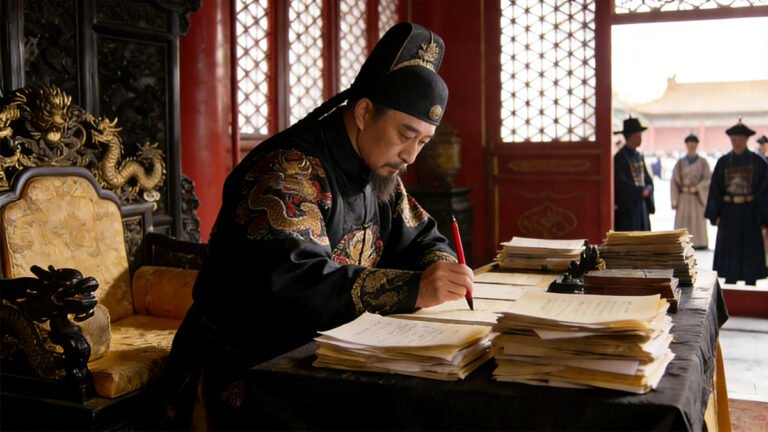
9:https://en.wikipedia.org/wiki/Telaga_Batu_inscription
10:https://en.wikipedia.org/wiki/Srivijaya
12:https://share.google/ZSYCdande8jsJfHKo
13:https://share.google/7LQWujY5OpB2O1JDP
14:https://share.google/uA5S1w2luGibLXvcO
15:https://www.theshipyardblog.com/why-is-the-malacca-strait-so-important/
16:https://leminhkhaiblog.com/rescuing-history-from-srivijaya-part-2/
17:https://share.google/OiXZzhVVMEg1jbSdL
18:https://share.google/CaXgemXNX0vodieIn
19:https://newscoop.co.in/anbil-plates/
21:https://threadreaderapp.com/thread/1236111399815761926.html#google_vignette
23:https://share.google/dyVvVdev7fCoVPcrv
27:https://www.facebook.com/share/p/1CUipvn4AU/
28:https://curryoclock.com/blog/the-incredible-history-of-the-sri-lankan-spice-trade/
29:https://www.facebook.com/share/p/1DYkTvU2jC/
30:https://albiongould.com/a-brief-history-of-silk-in-china/
31:https://www.facebook.com/share/p/1EEzNLfNRv/
32:https://www.facebook.com/share/p/17GhCBEET3/
33:https://www.facebook.com/share/p/1HiUpCeA9k/
34:https://commons.wikimedia.org/wiki/File:Khmer_inscription_within_the_Angkor_Wat.jpg

35:https://www.facebook.com/share/p/18L1HzfQFy/
36:https://www.facebook.com/share/p/1KN4FCwhD5/
37:https://www.facebook.com/share/p/1AsiHeTKV5/
38:https://en.wikipedia.org/wiki/Funan
40:https://www.facebook.com/share/p/17KwcXSXih/
41:https://share.google/yuVlX6oB0g99au5JH
42:https://share.google/hxPeuqm5AxJb3jVD6
43:https://share.google/kv1DjRswzIdV0qjyz
46:https://cambodianess.com/article/sambor-temple-an-ancient-gem-of-sambor-prei-kuk
47:https://share.google/zHGNocyIdXbUK1PtU
48:https://helloangkor.com/attractions/angkor-borei-museum/
49:https://www.kampucheers.com/angkor-borei-museum-19/
50:https://ars.els-cdn.com/content/image/1-s2.0-S2352409X20300808-gr1.jpg

51:https://www.facebook.com/share/p/18MpefpKjv/
52:https://www.facebook.com/share/p/18YvUykjPn/
53:https://www.facebook.com/share/p/1HGeydvwGs/
54:https://www.facebook.com/share/p/1LGZBqufWX/
55:https://www.facebook.com/share/p/1Dcisxsu8g/
56:https://www.facebook.com/share/p/18bMwayXGw/
58:https://pjcoggan.wordpress.com/2016/08/09/portraits-of-ancient-khmer-kings/
59:https://i.pinimg.com/originals/94/36/7c/94367c1148b254d1b84ccee49d8d625e.jpg

60:https://www.facebook.com/share/p/1DhLzNZCE1/
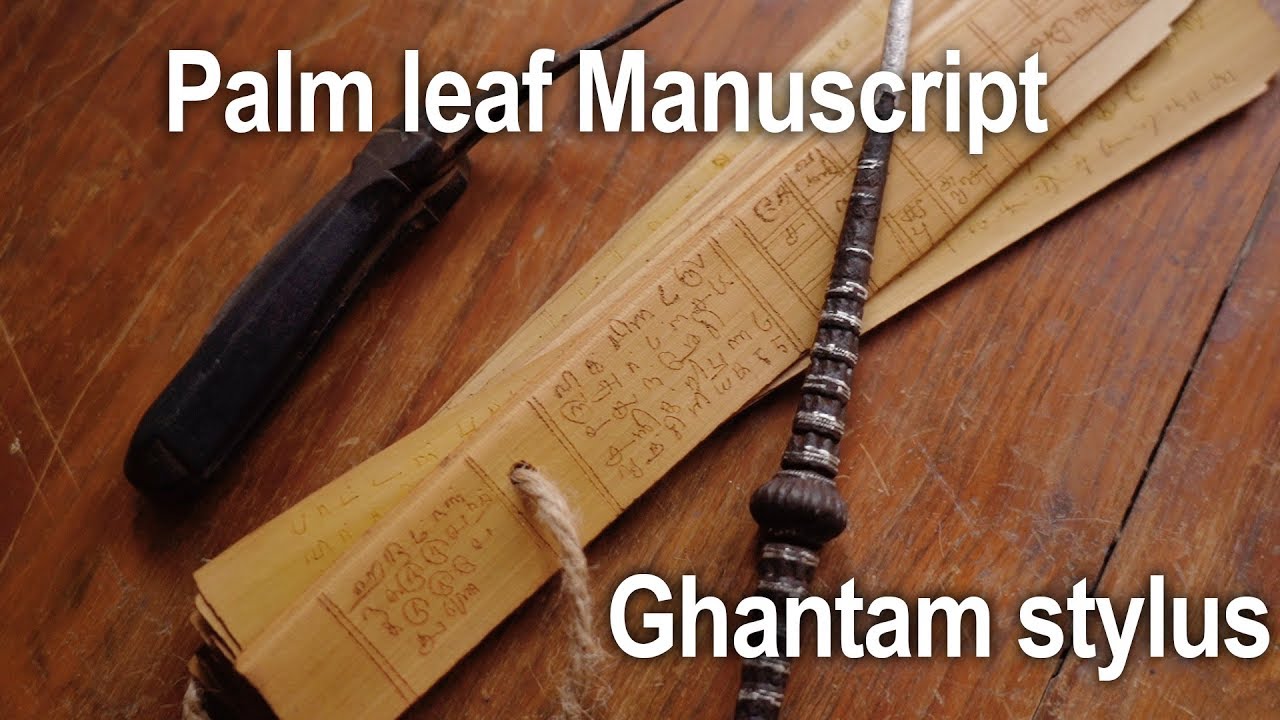
62:https://cambodianess.com/article/the-khmer-script-history-structure-and-phonetics
63:https://www.facebook.com/share/p/1Bp8ZL6axJ/
64:https://turuhi.com/storage/story/12-Angkor-Wat-Mahabharata.jpg
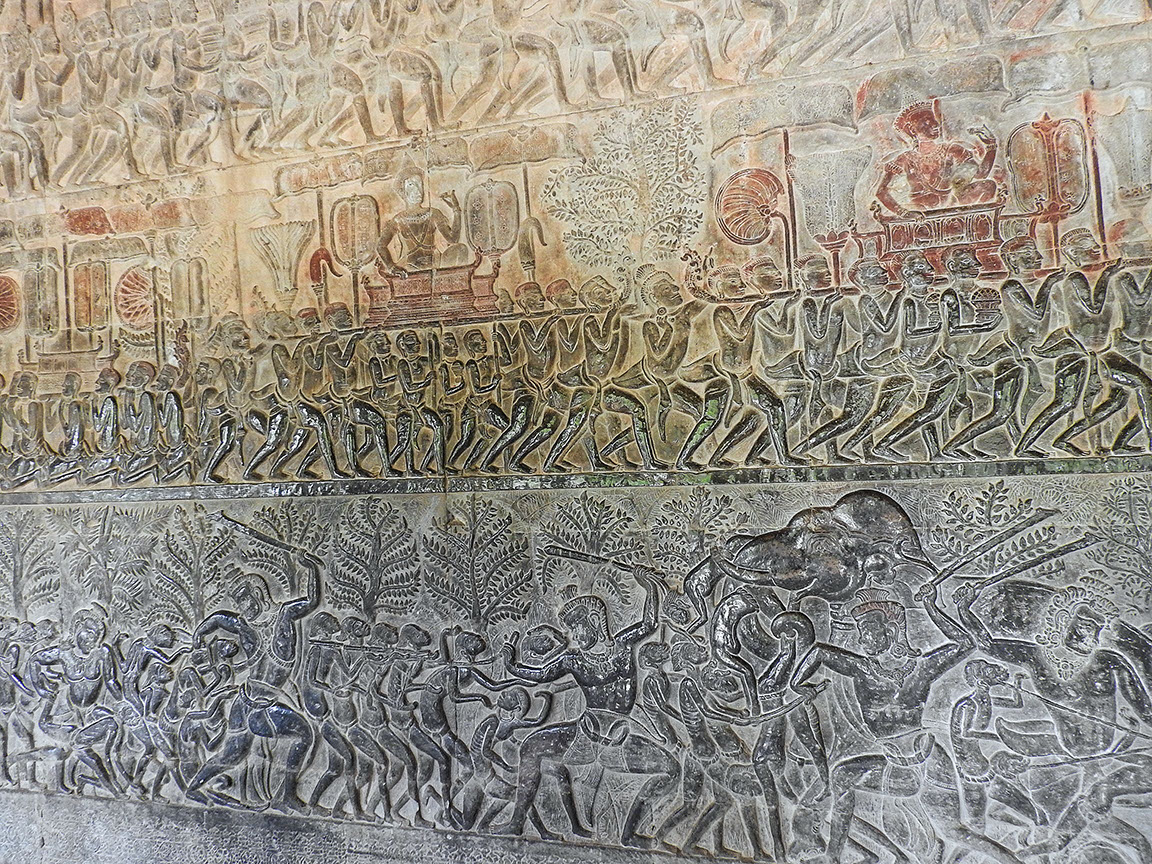
65:https://www.facebook.com/share/p/1aWNAn7fNp/
66:https://www.facebook.com/share/p/1CZz5UjQ8y/
67:https://www.facebook.com/share/p/17By6QFBbA/
68:https://www.facebook.com/share/p/1JV2SGuhew/
70:https://www.facebook.com/share/p/16dsUBZ2mb/
71:https://www.facebook.com/share/p/1AxYQkdGry/
72:https://www.facebook.com/share/p/15fztraFWGZ/
75:https://www.studyiq.com/articles/pandyan-dynasty/
76:https://www.facebook.com/share/p/1K3dPBfknn/
77:https://www.facebook.com/share/p/1HRVTnkJe7/
78:https://www.facebook.com/share/18Fkf2FSE2/
79:https://www.nationalmuseum.gov.ph/the-blue-and-whites-of-kanduli-shoal-shipwreck/
80:https://www.facebook.com/share/p/1813L2m3zQ/
81:https://commons.wikimedia.org/wiki/File:Map_of_sinitic_languages-en.svg


83:https://share.google/ucHNDx7g6zvPfGSRx
84:https://www.facebook.com/share/p/1CVTURqw3d/
85:https://www.facebook.com/share/p/17Kb2Yfae1/
86:https://www.facebook.com/share/p/18hu9jd3zE/
87:https://www.facebook.com/share/p/16ob3funBY/
88:https://share.google/9oXd2zHSblfGAwbtM
89:https://www.britannica.com/place/Banda-Sea
90:https://www.theshipyardblog.com/why-is-the-malacca-strait-so-important/
91:https://en.wiktionary.org/wiki/%E9%9D%92%E5%8F%B2
Video Sources: Pexels and Pixabay in PowerDirector and other websites:
102:https://www.pond5.com/stock-footage/item/273860553-fleet-sailing-sea
103:https://www.pond5.com/stock-footage/item/310094572-fleet-sailing-sea
104:https://www.pond5.com/stock-footage/item/229998039-merchant-ship-sailing-sea
107:https://www.pond5.com/stock-footage/item/303505-strait-malacca
111:https://www.pond5.com/stock-footage/item/276892620-drone-aerial-shot-suez-canal-egypt
112:https://www.pond5.com/stock-footage/item/276892606-aerial-shot-suez-canal-egypt
113:https://www.pond5.com/stock-footage/item/276892607-top-aerial-view-suez-canal-egypt
114:https://www.pond5.com/stock-footage/item/314477102-aerial-view-suez-governorate-egypt
116:https://www.pond5.com/stock-footage/item/331665281-importance-persian-gulf-and-strait-hormuz
118:https://www.pond5.com/stock-footage/item/77364626-suez-canal-oil-tanker-passing-through-suez-canal
120:https://www.pond5.com/stock-footage/item/331895572-aerial-map-zoom-strait-hormuz-cargo-ships-sailing
121:https://www.pond5.com/stock-footage/item/332245921-tankers-under-threat-map-hormuz-strait-3d-map
126:https://www.pond5.com/stock-footage/item/72656842-angkor-wat-temple-cambodia-main-temple-columns
138:https://www.pond5.com/stock-footage/item/101077087-konark-sun-temple-pan-shot
139:https://www.pond5.com/stock-footage/item/38495183-old-scroll-rolling-outalpha
144:https://www.pond5.com/stock-footage/item/108602408-sanskrit-writing-ancient-palm-leaf-manuscript
148:https://www.pond5.com/stock-footage/item/70918936-bamboo-forest-uhd-4k
150:https://www.pond5.com/stock-footage/item/43872917-indonesia-space-zoom
154:https://www.pond5.com/stock-footage/item/74799258-day-time-lapse-aircraft-carrier-through-suez-canal
Consulted References:
Refer to Part 1: Timeline_the untold_the retold for combined references of all parts.
Comments
Post a Comment